Blog
Moroccan Ceramic Styles
A Regional Guide to Form, Color, and Cultural Identity
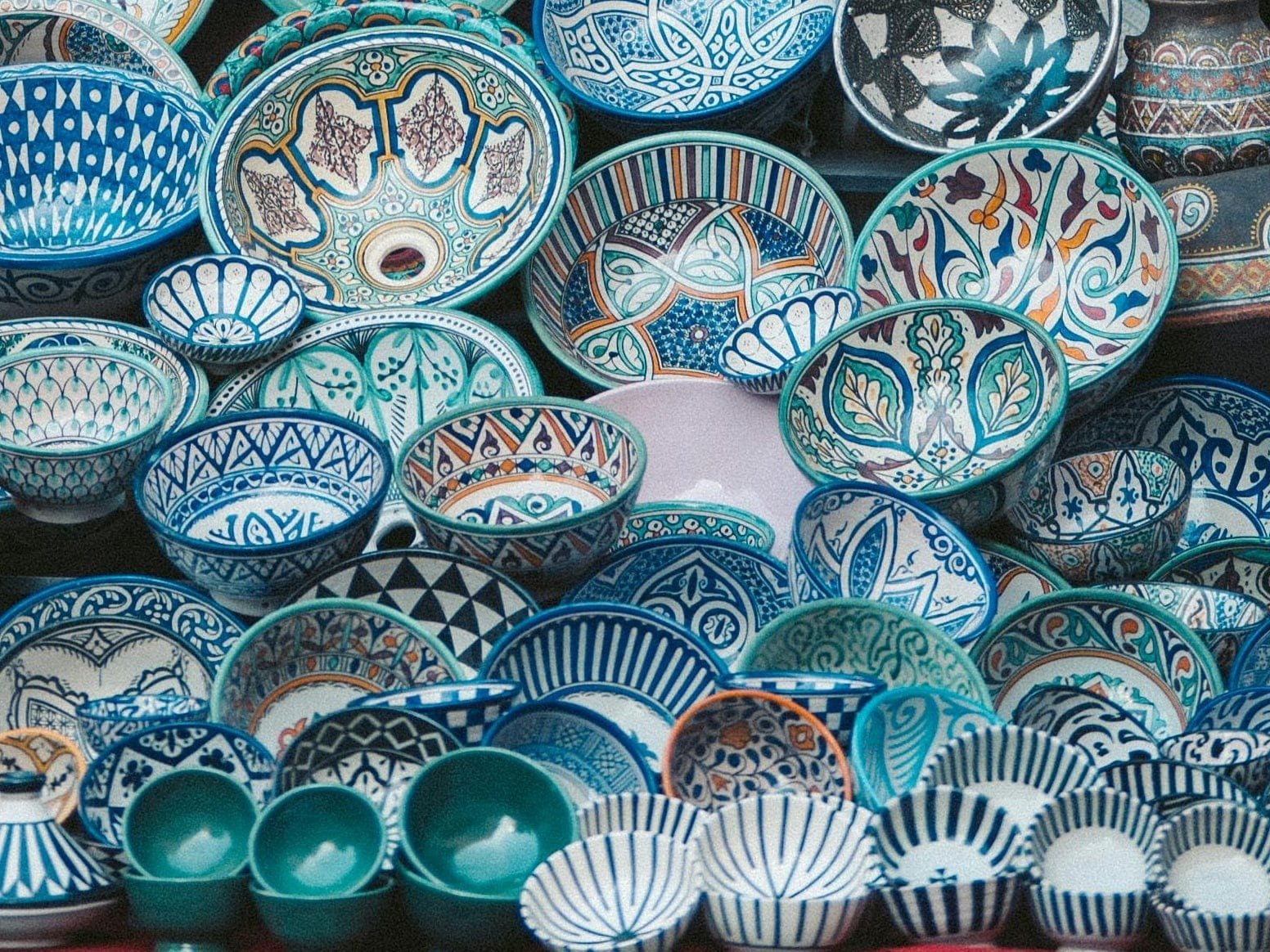
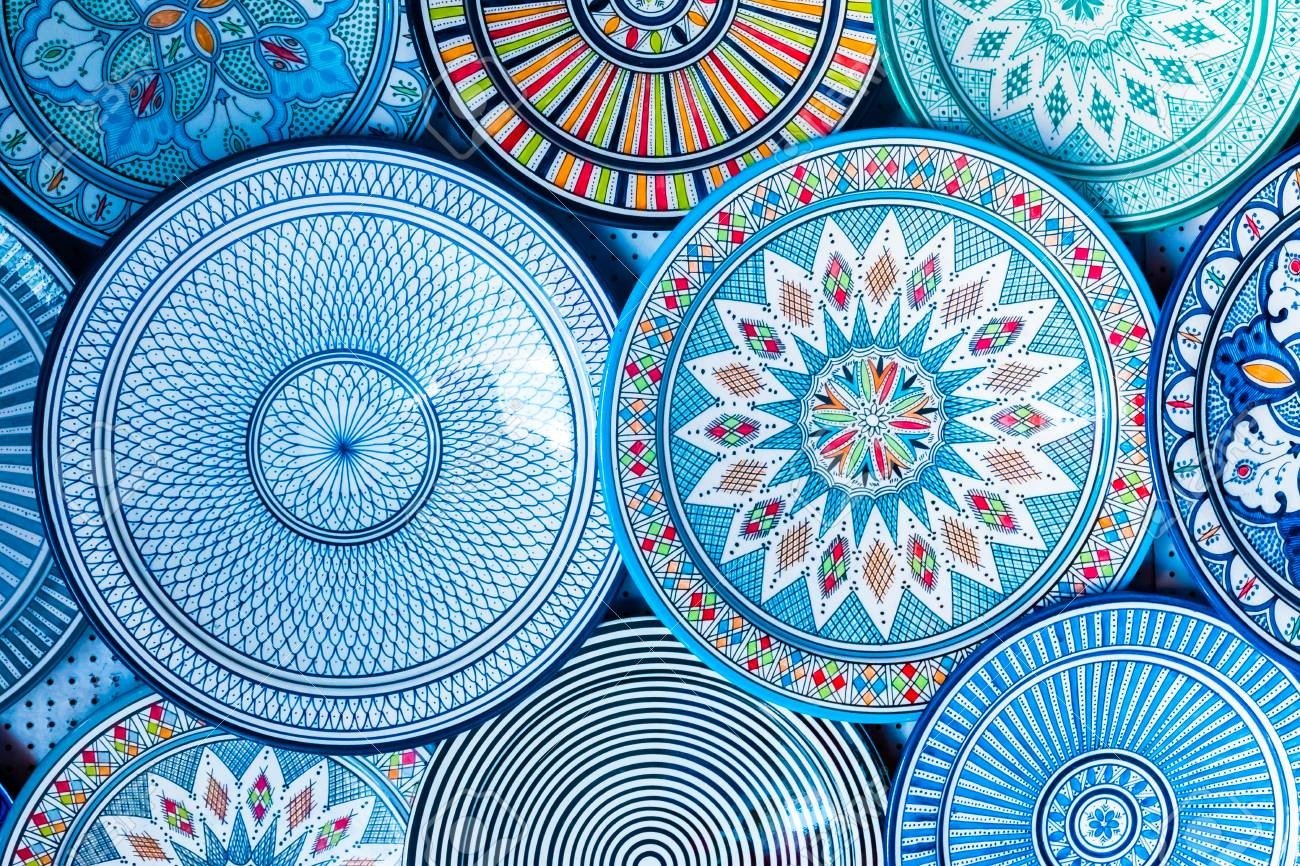
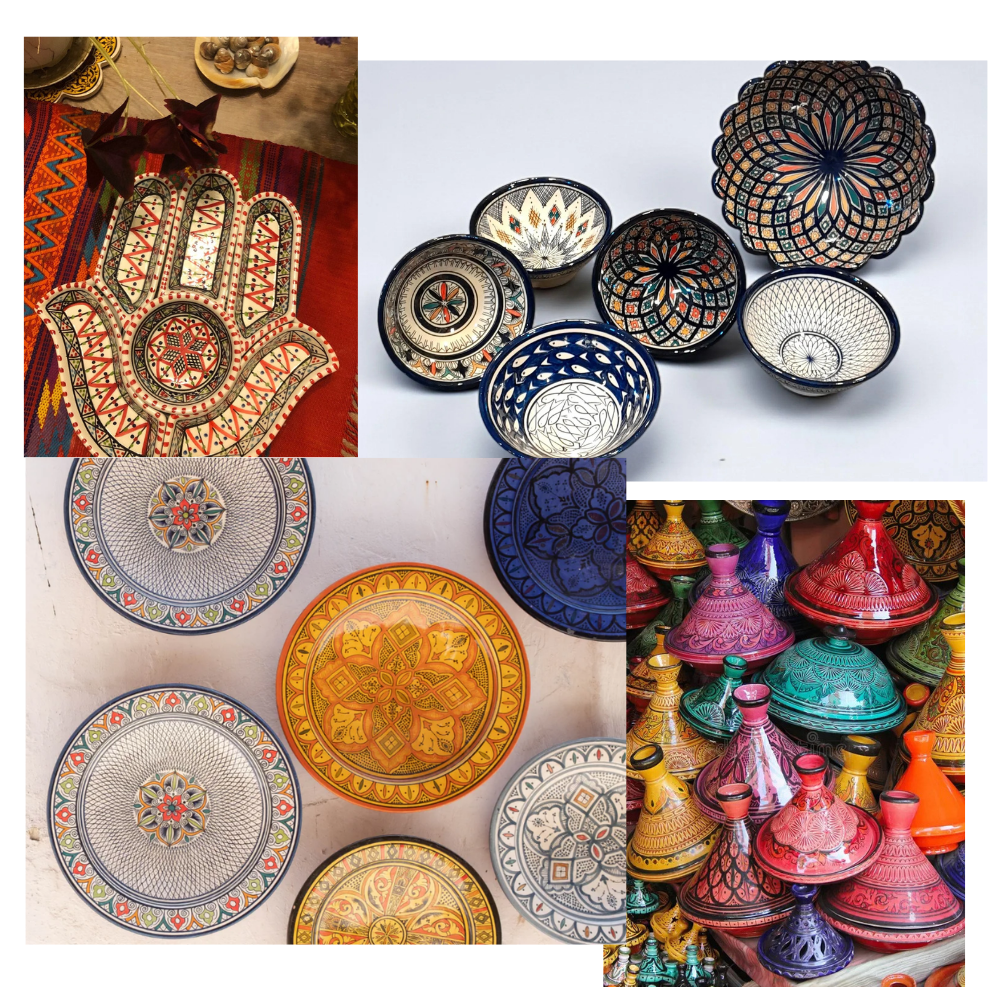
Moroccan ceramics are not defined by one single look. Across the country, each region has developed its own visual language — shaped by history, geography, and cultural identity.
From Amazigh mountain symbolism to refined urban geometry, Moroccan ceramic styles reflect the diversity of the country itself.
Below is a clear guide to the most recognized Moroccan ceramic styles.
Middle Atlas Style (Amazigh Influence)
The Middle Atlas ceramic style is deeply connected to Amazigh heritage. It is more organic and symbolic compared to urban styles.
Key characteristics:
Geometric and abstract motifs
Protective and fertility symbols
Earth-based tones and natural color palettes
Rustic, handmade aesthetic
Rather than floral decoration, Middle Atlas ceramics rely heavily on Amazigh visual language — diamonds, zigzags, triangles, and symbolic markings that connect ceramics to Amazigh rugs and jewelry.
This style feels grounded, cultural, and closely tied to rural life.
The Amazigh Ceramic Style of the Middle Atlas
The Amazigh (Berber) style is symbolic, geometric, and meaningful. Rather than focusing on detailed floral painting or strict symmetry, Amazigh ceramics communicate through abstract forms and repeated motifs.
This style developed within mountain communities where art was closely connected to identity and daily survival.
Key Characteristics of Amazigh Ceramic Style
Geometric patterns instead of floral decoration
Repeated symbolic motifs
Earth-inspired tones
Strong visual contrasts
Organic and expressive composition
Each design element carries cultural meaning, even if interpretations vary from artisan to artisan.
The Character of Middle Atlas Amazigh Ceramics
Compared to more urban ceramic traditions, Amazigh ceramics from the Middle Atlas tend to feel:
More rustic and grounded
Less formal and more expressive
Closely tied to rural life
Deeply cultural rather than purely decorative
Slight variations in pattern or brushwork are part of the authenticity. No two pieces are exactly identical, because each carries the hand of the artisan who shaped it.
This individuality is central to Amazigh craftsmanship.
Symbolism in Amazigh Ceramics
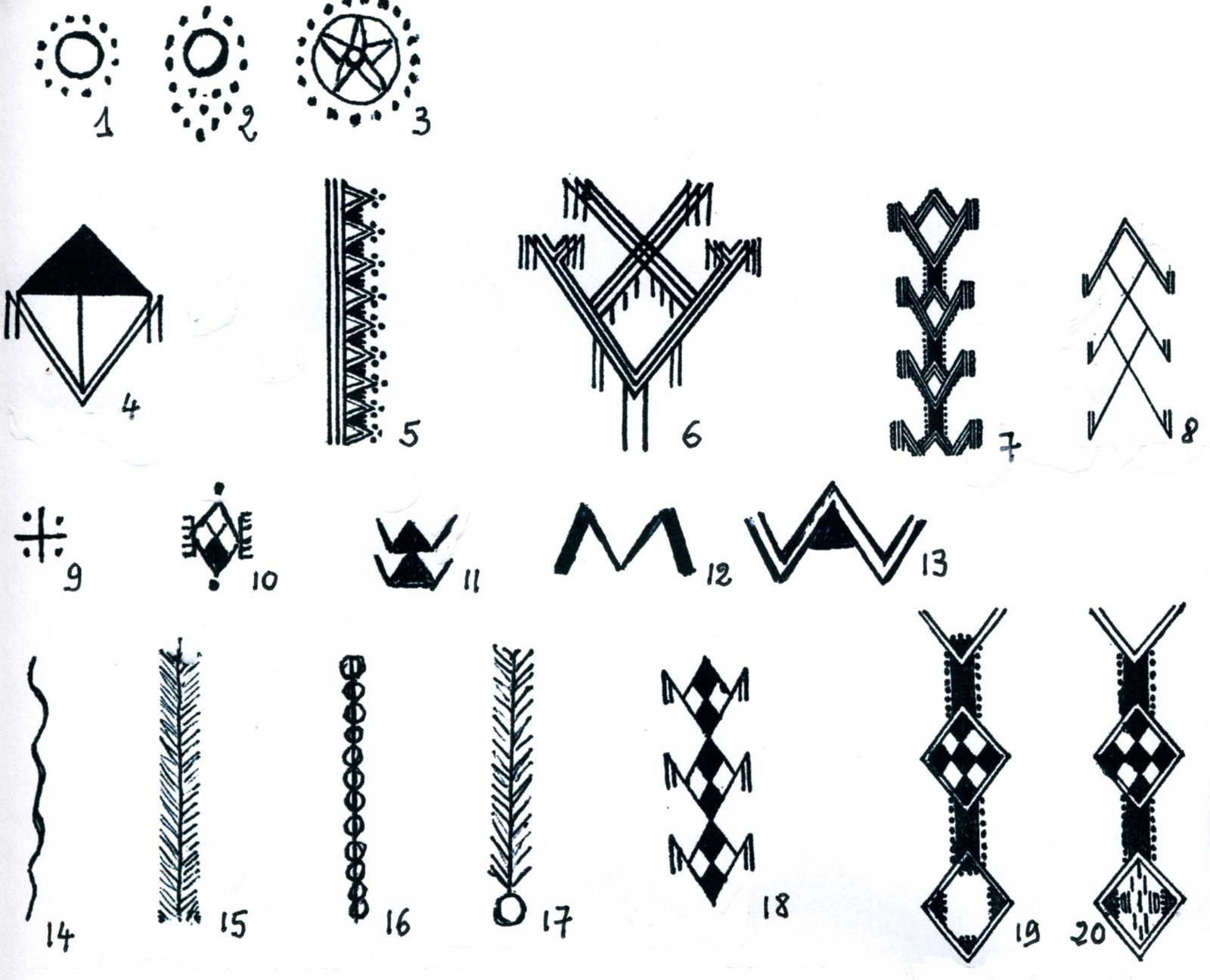
Amazigh art relies on a visual language passed down through generations. Many motifs found in Middle Atlas ceramics are also present in Amazigh textiles and jewelry.
Common symbolic forms include:
Diamonds – often associated with protection and femininity
Triangles – linked to balance and fertility
Zigzag lines – representing water and the flow of life
Abstract eye shapes – protection against negativity
Parallel lines – continuity and strength
These symbols were not added for decoration alone. They reflected personal experiences, beliefs, and community identity.
Our Middle Atlas Ceramic Collection
Our shop is based in the Middle Atlas, and our collection reflects authentic Amazigh ceramic traditions.
We focus exclusively on Middle Atlas style, highlighting symbolic design and regional identity.
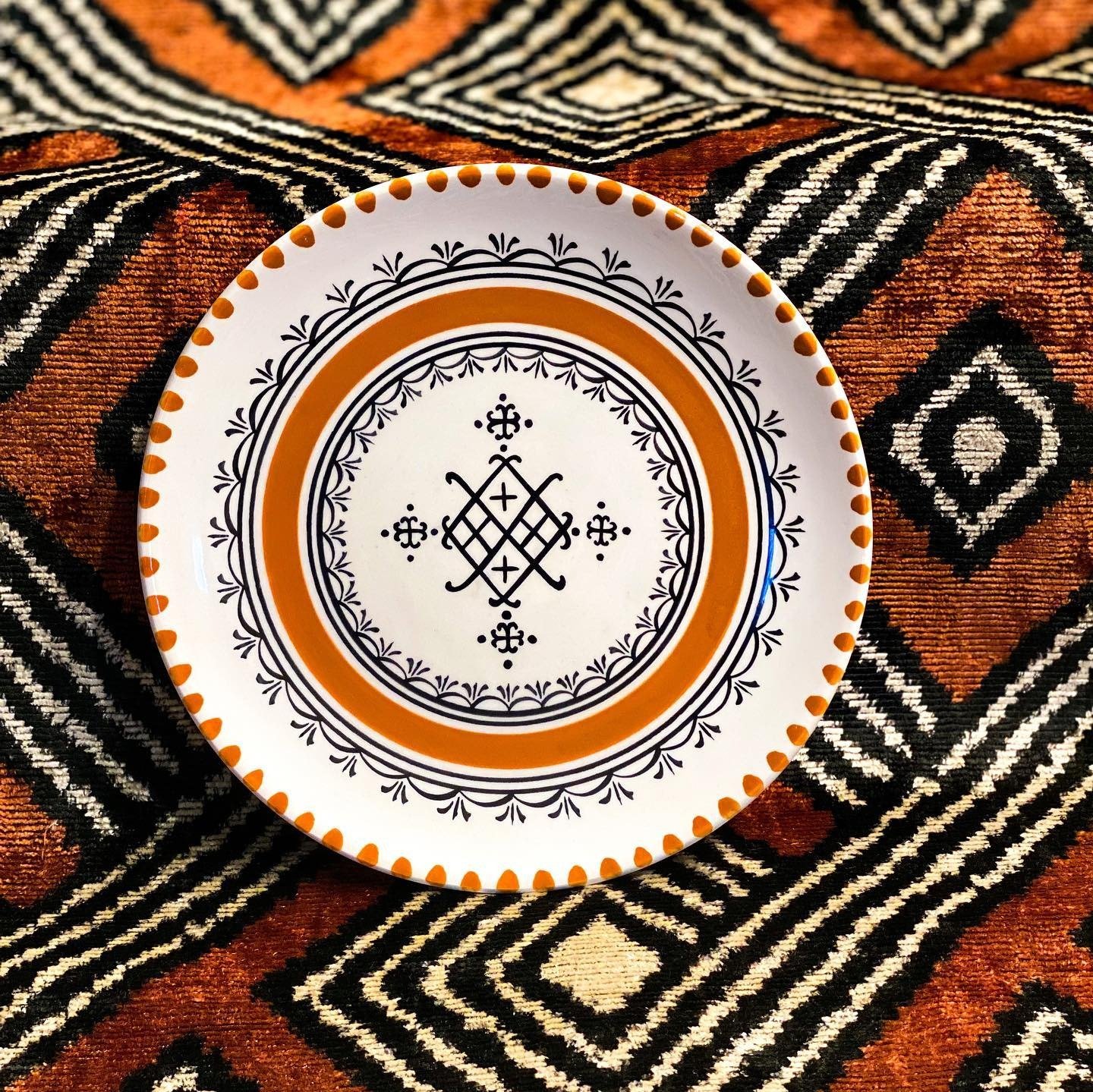
Ceramic Plates
Handcrafted plates featuring Amazigh-inspired geometric patterns. Designed for everyday use while maintaining cultural authenticity.
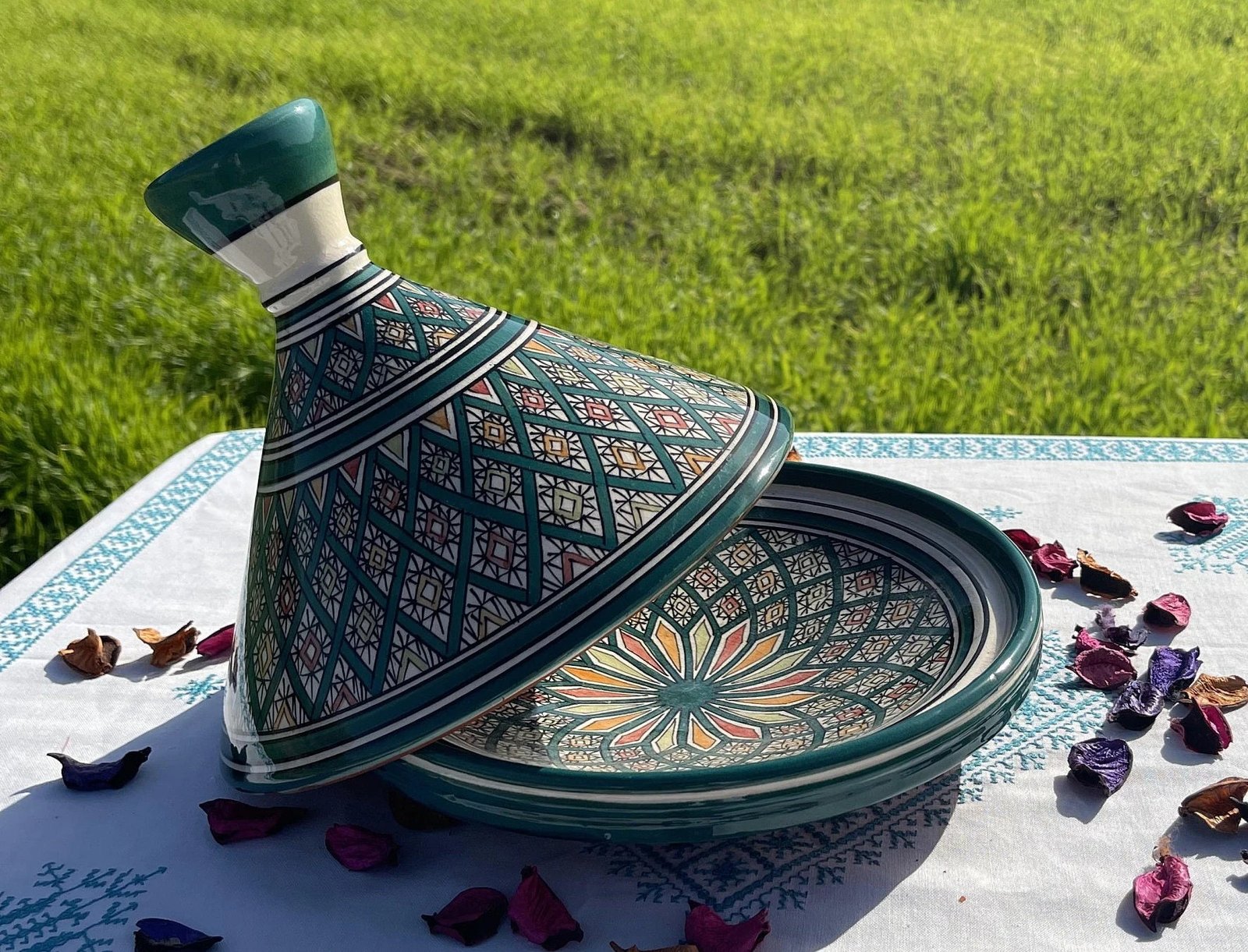
Ceramic Tagines
Traditional tagines shaped with cultural influence and symbolic detail. Functional yet rooted in Amazigh aesthetic identity.
Ceramic Bowls
Versatile bowls decorated with geometric motifs and expressive Amazigh patterns, suitable for serving or display.
Ceramic Serving Sets
Coordinated serving sets that bring Amazigh symbolism to the table. Each piece reflects regional design language and artisan character.
A Living Amazigh Tradition
Amazigh ceramics from the Middle Atlas are not a trend. They are part of a living tradition sustained by artisans who continue to preserve and reinterpret ancestral design language.
In a world of uniform production, Amazigh ceramics stand out for their authenticity, symbolism, and connection to place.
Choosing Middle Atlas Amazigh ceramics means choosing heritage, identity, and craftsmanship shaped by generations.